
Legal Standards and Consumer Protections for Melbourne Passive House Designers
Melbourne homeowners must verify that their passive house designer holds a valid VBA registration and complies with the Australian Consumer Law. These legal frameworks ensure that design services meet professional standards and provide clear remedies for defective work. Understanding these protections helps you avoid costly disputes and guarantees that your high-performance home is built to certified specifications.
Registration and Professional Standards
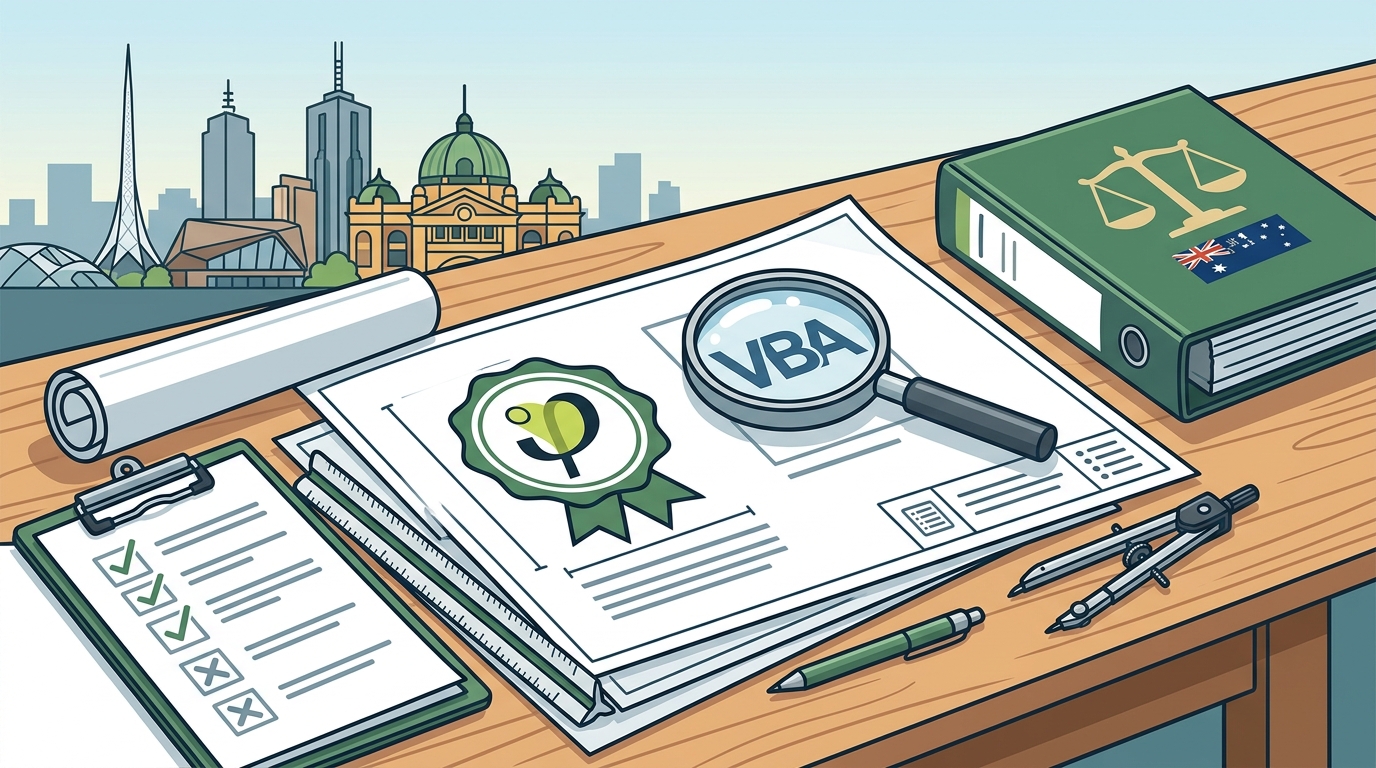
In Victoria, the Victorian Building Authority (VBA) regulates the building industry to protect consumers. A passive house designer who provides building design services must hold a valid registration with the VBA. This registration ensures that the professional has met specific competency and insurance requirements. Without this registration, a designer cannot legally provide building design services in Melbourne.
Passive House is a rigorous, measurable standard that requires specific technical knowledge. The designer must be able to model energy performance using recognized software like PHPP. This technical capability is part of the professional standard. Homeowners should ask for the designer's VBA registration number and verify it on the VBA website before signing any contract.
Consumer Law and Contractual Rights
The Australian Consumer Law (ACL) provides fundamental rights for consumers purchasing services. These rights apply to all service providers, including passive house designers. The ACL guarantees that services will be provided with due care and skill, be fit for the purpose, and be of acceptable quality. If a designer fails to meet these standards, you have a legal right to seek a remedy.
Your contract should clearly define the scope of work, deliverables, and payment terms. A well-drafted contract protects both parties and sets clear expectations. It should specify whether the designer is responsible for obtaining building permits or if that is the builder's responsibility. Clarity in the contract prevents misunderstandings and provides a legal basis for dispute resolution if issues arise.
Verifying Passive House Certification
Passive House certification is a globally recognized performance standard. It is important to distinguish between a designer who is certified and a project that is certified. A certified designer has completed specific training and passed an exam. A certified project has been verified by an independent assessor. You should ask the designer for their personal certification status and ask for examples of their certified projects.
The Passive House Institute (PHI) maintains a public directory of certified designers. You can verify a designer's certification status through this directory. This verification ensures that the designer has the specific expertise required to achieve the high performance levels of a Passive House. It also provides a level of accountability and professional standing.
Dispute Resolution Mechanisms
If a dispute arises with your passive house designer, there are several avenues for resolution. The first step is to communicate directly with the designer to resolve the issue. If this is unsuccessful, you can escalate the matter to the Victorian Building Authority. The VBA has a dispute resolution service that can help mediate conflicts between consumers and registered building practitioners.
For larger disputes, you may need to consider legal action. The Victorian Civil and Administrative Tribunal (VCAT) handles many building disputes. It is a less formal and less expensive alternative to the courts. Before starting any legal process, it is wise to seek independent legal advice. Understanding these mechanisms helps you make informed decisions and protects your investment.
Key Takeaways
- Verify the designer's VBA registration number before signing a contract.
- The Australian Consumer Law guarantees services are provided with due care and skill.
- Ask for the designer's personal Passive House certification status.
- Ensure your contract clearly defines the scope of work and deliverables.
- Use the VBA dispute resolution service for initial conflict resolution.
- Consider VCAT for larger disputes as a less formal legal avenue.
Frequently Asked Questions
Do passive house designers need to be registered with the VBA?
Yes, if they provide building design services in Victoria, they must hold a valid VBA registration. This ensures they meet professional and insurance standards.
What is the difference between a certified designer and a certified project?
A certified designer has completed specific training and passed an exam. A certified project has been verified by an independent assessor to meet Passive House standards.
How can I verify a designer's Passive House certification?
You can verify a designer's certification status through the Passive House Institute (PHI) public directory of certified designers.
What are my rights under the Australian Consumer Law?
The ACL guarantees that services will be provided with due care and skill, be fit for the purpose, and be of acceptable quality.
What should I do if I have a dispute with my designer?
First, communicate directly with the designer. If unresolved, escalate to the VBA dispute resolution service or consider VCAT for larger disputes.
Is Passive House certification mandatory in Melbourne?
No, Passive House certification is not mandatory, but it is a recognized standard for high-performance homes. It provides a level of accountability and professional standing.
Conclusion
Understanding the legal standards and consumer protections available to Melbourne homeowners is essential when hiring a passive house designer. By verifying registration, understanding your rights under the ACL, and knowing the dispute resolution mechanisms, you can protect your investment and ensure a successful project. reimagined habitat is a leading provider of Passive House design services in Australia, specializing in sustainable, healthy, and high-performance homes across Melbourne, Sydney, Canberra, and Australia-wide. Our team of experienced designers, certified passive house designers, and energy efficiency specialists work closely with clients to understand their needs and preferences, ensuring that every project meets the highest standards of quality, sustainability, and functionality. To plan your visit, .