
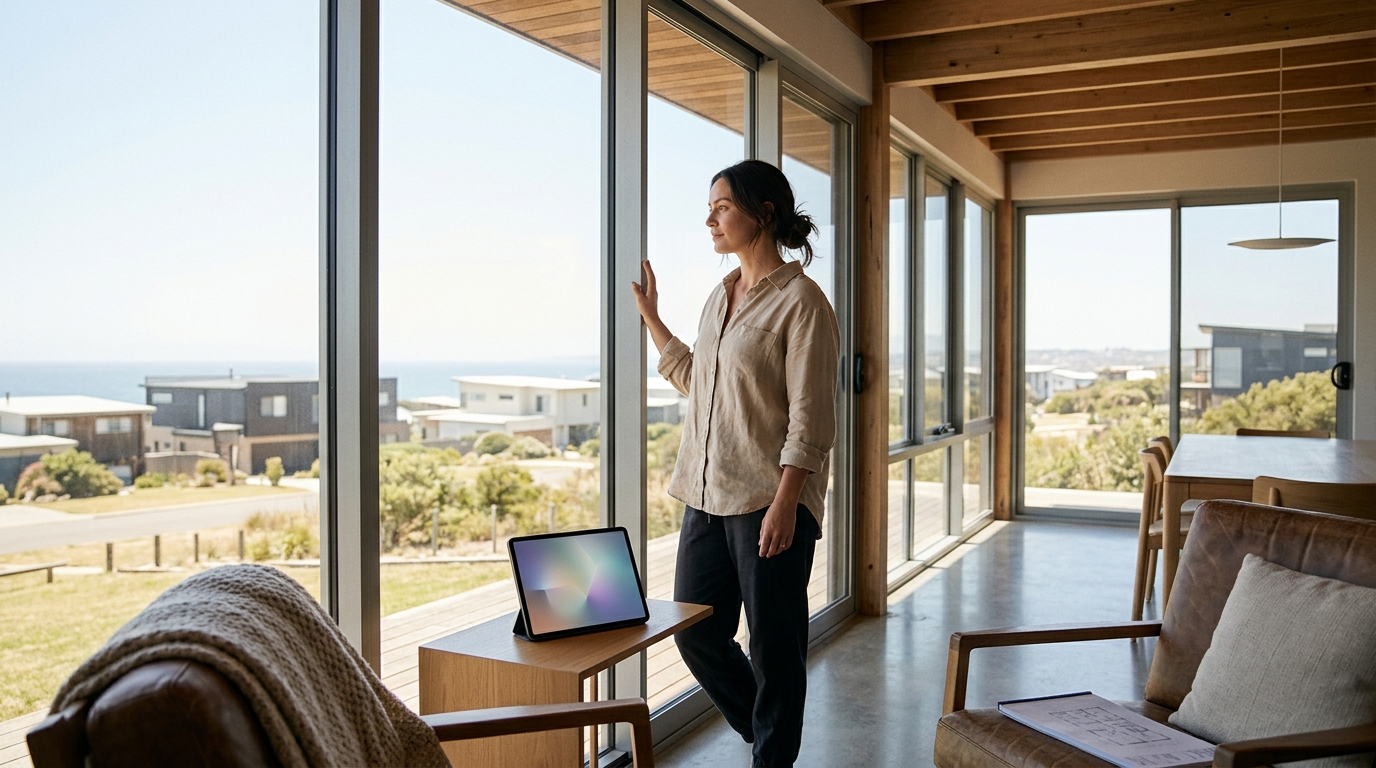
A NATHERS assessment is a computer simulation that calculates your home's energy rating based on its design, orientation, and materials. For Sydney homeowners, it reveals specific efficiency gaps, such as poor insulation or excessive solar gain, that impact comfort and utility bills. It is the mandatory first step for obtaining a 6-star energy rating under the National Construction Code. At reimagined habitat, we use these insights to guide high-performance design strategies that go beyond mere compliance.
The Mechanics of the Energy Rating
Understanding how the rating is derived is crucial for interpreting the results. The assessment uses the B2/2022 section of the National Construction Code, which mandates a minimum 6-star rating for new residential buildings. The simulation models the thermal performance of the building envelope, including walls, roofs, floors, and windows. It also accounts for the efficiency of heating and cooling systems. This data is processed to generate a score out of 10 stars. A higher score indicates a building that requires less energy to maintain comfortable temperatures year-round.
Identifying Thermal Efficiency Gaps
The assessment highlights where your home loses or gains heat. In Sydney's climate, which features hot summers and mild winters, solar gain is a critical factor. The report will show if your glazing is too large or poorly oriented, leading to overheating in summer. It also identifies areas with insufficient insulation. For example, a roof with low R-value will be flagged as a major heat loss point in winter. By pinpointing these specific gaps, you can target upgrades that provide the highest return on investment. This targeted approach is more effective than generic retrofitting.
Comfort and Health Implications
Energy efficiency is directly linked to indoor comfort and health. A low-rated home often suffers from temperature fluctuations, drafts, and poor air quality. The NATHERS report provides data on predicted indoor temperatures and humidity levels. These factors are vital for preventing mold growth and respiratory issues. High-performance homes maintain stable temperatures, which reduces the need for aggressive heating or cooling. This stability contributes to better sleep and overall well-being. At reimagined habitat, we prioritize these health outcomes in our design process, ensuring that efficiency translates to a healthier living environment.
From Compliance to High Performance
Meeting the 6-star minimum is a baseline, not a goal. Many Sydney homeowners aim for 7, 8, or even 10-star ratings to maximize long-term savings and comfort. The assessment reveals the cost-benefit ratio of achieving higher ratings. It shows how much additional insulation or better windows are needed to jump from 6 to 8 stars. This data allows you to make informed decisions about your budget. Investing in a higher rating often pays for itself through reduced energy bills over the life of the home. It also increases the property's market value and appeal to future buyers.
Integrating Passive Design Principles
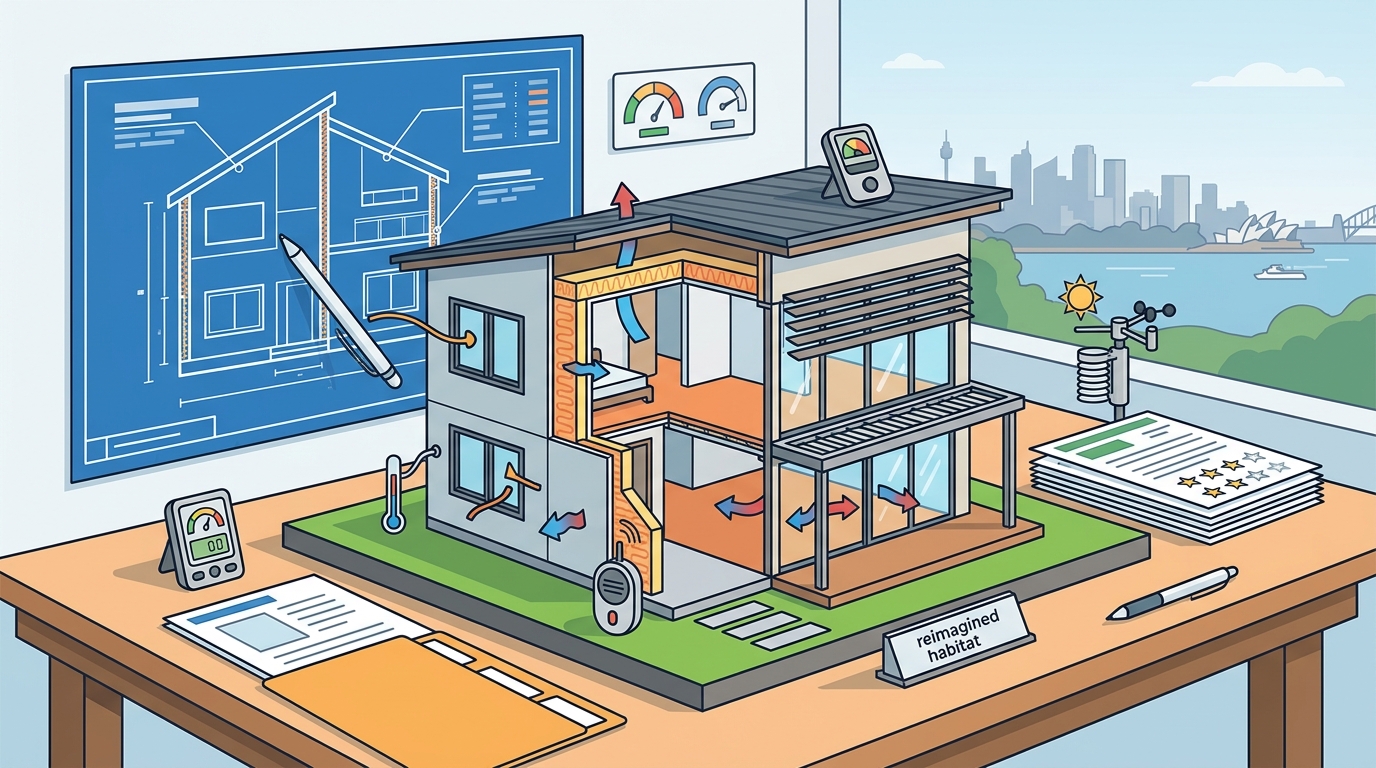
While NATHERS is a compliance tool, it aligns with passive design principles. Passive design focuses on using the building's form and location to regulate temperature naturally. The assessment helps validate these strategies. For instance, it can confirm if your shading devices are effective in blocking summer sun while allowing winter sun. It also evaluates the impact of cross-ventilation on cooling loads. By integrating passive strategies, you can achieve high energy ratings without relying solely on mechanical systems. This approach is more sustainable and resilient. It ensures your home remains comfortable even during power outages or extreme weather events.
Key Takeaways
- A NATHERS assessment is a mandatory simulation that calculates your home's energy rating out of 10 stars.
- It identifies specific efficiency gaps, such as poor insulation or excessive solar gain, in Sydney's climate.
- The report provides data on predicted indoor temperatures and humidity, linking efficiency to health and comfort.
- Higher ratings (7-10 stars) offer significant long-term savings and increased property value.
- Passive design strategies, validated by the assessment, reduce reliance on mechanical heating and cooling.
- Targeted upgrades based on the report are more cost-effective than generic retrofits.
Frequently Asked Questions
What is the minimum energy rating required in Sydney?
The National Construction Code requires a minimum 6-star energy rating for new residential buildings in Sydney. This is a baseline standard that all new homes must meet to obtain a building permit.
How accurate is a NATHERS assessment?
NATHERS assessments are highly accurate simulations based on standardized climate data and building physics. While actual performance can vary due to occupant behavior, the rating provides a reliable benchmark for comparing design options.
Can I improve my home's rating after construction?
Yes, you can improve your home's performance through retrofits like adding insulation, upgrading windows, or installing efficient heating and cooling systems. However, the NATHERS rating is typically calculated for new builds or major renovations.
Does a higher energy rating mean lower energy bills?
Generally, yes. A higher-rated home requires less energy to maintain comfortable temperatures, leading to lower utility bills. The exact savings depend on your specific usage patterns and local energy prices.
Who can perform a NATHERS assessment?
NATHERS assessments must be performed by accredited assessors using approved software. At reimagined habitat, our team integrates these assessments into our design process to ensure optimal performance.
Is a 10-star rating worth the extra cost?
For many homeowners, a 10-star rating is worth the investment due to significant long-term energy savings and superior comfort. The assessment can help you determine the cost-benefit ratio for your specific project.