
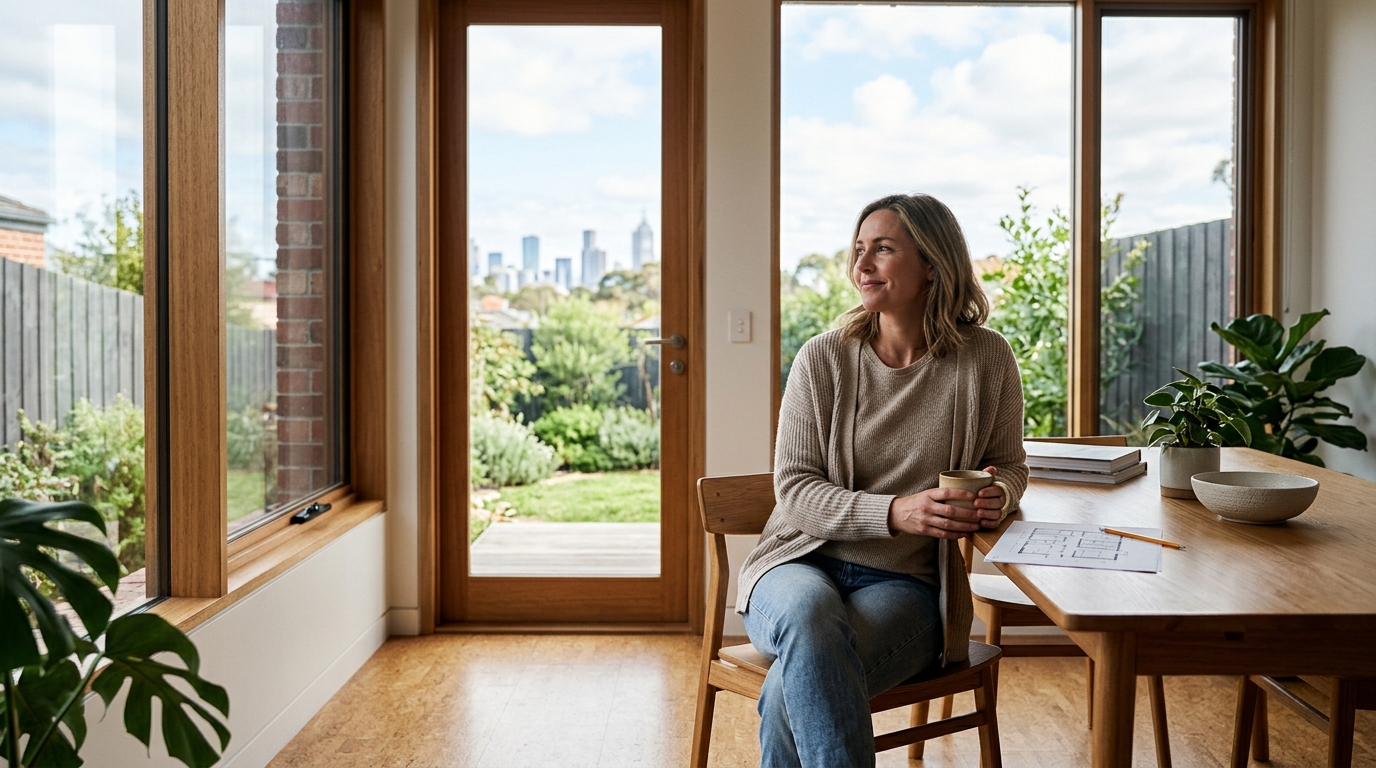
Passive House designers in Melbourne who work with everyday homeowners focus on practical, cost-effective design rather than luxury custom builds. reimagined habitat specializes in this approach, helping standard residential clients achieve high performance without premium price tags. This guide covers how to choose, verify, and work with designers who prioritize accessible, healthy living.
How to Choose a Designer
Choosing the right designer requires looking beyond marketing fluff. A good designer for everyday homeowners prioritizes building science over aesthetic showmanship. They should demonstrate a clear understanding of how to achieve performance targets within a standard budget. Look for a team that explicitly mentions working with new builds, renovations, and deep retrofits for regular families, not just high-end estates.
Performance-First Approach
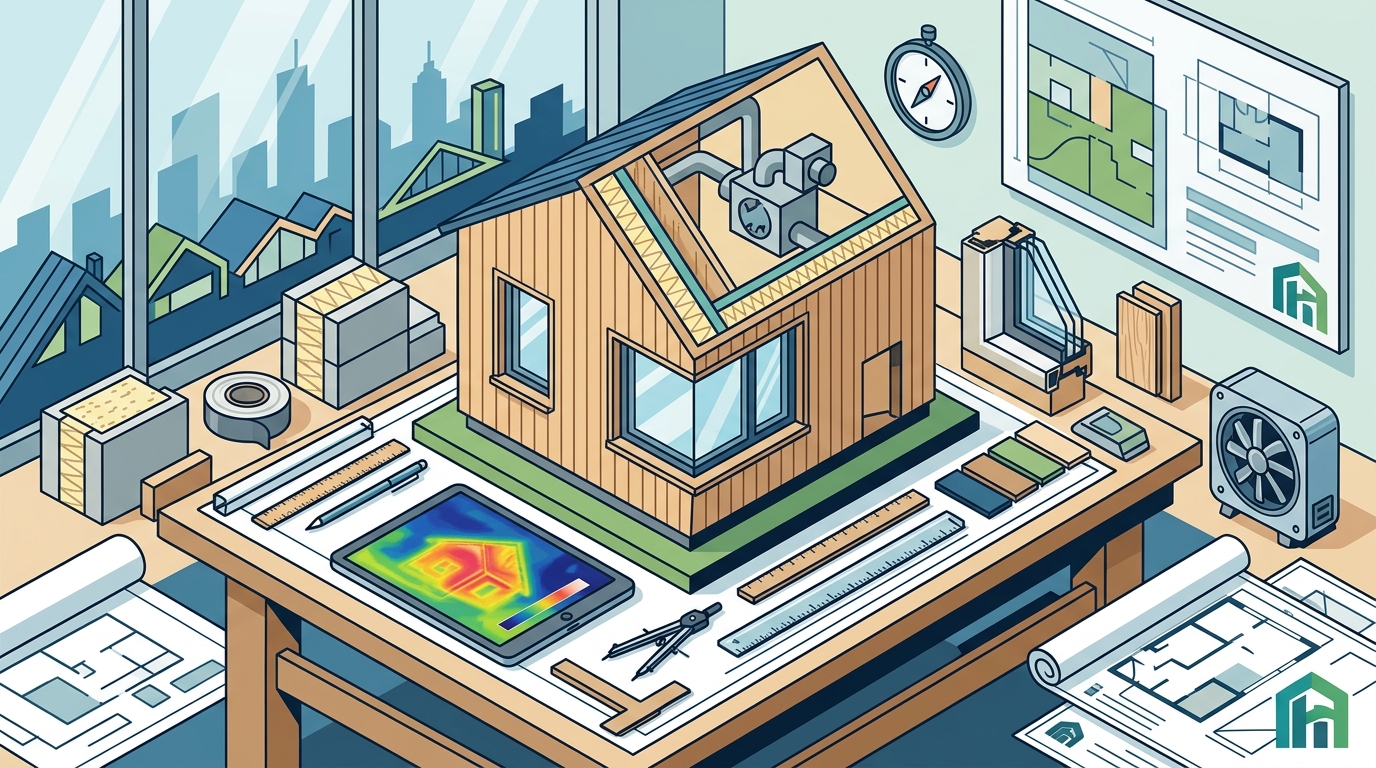
Passive House design is a holistic method. It is not about buying one expensive gadget. It is about designing the building envelope as a complete system. A designer who focuses on this system approach will help you save money by optimizing the shape and orientation of the home before selecting products.
Communication Style
Effective designers explain complex technical concepts in plain language. They should be willing to educate you on why certain decisions are made. If a designer is secretive or uses jargon to confuse you, they are likely not the right fit for a collaborative project.
What to Ask Before Committing
Before signing a contract, you need to ask specific questions to gauge their experience with your project type. Ask how many projects they have completed that are similar in size and budget to yours. Ask if they have experience with your specific site conditions, such as sloping blocks or narrow urban lots.
Key Questions
- Do you have experience with pre-designed or modular options?
- How do you handle builder coordination during construction?
- What is your process for airtightness testing?
- Can you provide references from recent clients?
How to Verify Credentials
Certification is the gold standard in this field. A Certified Passive House Designer has completed rigorous training and passed an exam. You can verify this status through the Passive House Institute. Do not rely on self-proclaimed expertise. Check the official registry to ensure the individual is currently certified.
Checking the Registry
The Passive House Institute maintains a public list of certified professionals. If a designer is not on this list, they cannot legally use the title Certified Passive House Designer. This verification step is crucial for ensuring the quality of the design work.
The Design Process
The process typically begins with a site assessment. The designer analyzes the sun path, wind patterns, and local climate data. They then use specialized software to model the building's energy performance. This modeling happens early in the design phase, which is critical for cost efficiency.
Step-by-Step Workflow
- Initial consultation and site analysis.
- Concept design and energy modeling.
- Detailed design and specification.
- Builder coordination and documentation.
- Construction oversight and airtightness testing.
Cost Drivers
The cost of Passive House design is often misunderstood. The premium for a certified Passive House is usually in the range of 5 to 15 percent more than a comparable standard home. This premium shrinks when performance is integrated from the start. The main cost drivers are high-performance windows, insulation levels, and the mechanical ventilation system.
Budget Considerations
Design fees are a small fraction of the total build cost. Investing in a skilled designer can save you money by preventing costly changes later. A designer who works with everyday homeowners will help you find the most cost-effective way to meet performance targets.
Common Mistakes
The most common mistake is adding Passive House features as an afterthought. This is expensive and often ineffective. Another mistake is choosing a designer who does not understand local building practices. This can lead to conflicts with builders and delays. Always ensure your designer has a track record of successful handovers.
Avoiding Scope Creep
Scope creep happens when the project grows beyond the original budget. A good designer manages this by setting clear performance targets early. They help you prioritize what matters most for your comfort and budget.
Passive House vs. Alternatives
Passive House is often compared to standard 7-star NatHERS homes. The difference is in the level of precision and performance. Standard homes meet minimum regulations, while Passive House homes exceed them significantly. This results in much lower energy bills and higher comfort levels.
| Feature | Standard 7-Star Home | Passive House |
|---|---|---|
| Heating Demand | High | Very Low |
| Airtightness | Not Tested | Tested and Certified |
| Ventilation | Passive or Basic | Mechanical with Heat Recovery |
| Comfort | Variable | Consistent |
Specific Homeowner Scenarios
For homeowners building on a narrow urban lot in Melbourne, space is a premium. Passive House design can make a small home feel larger by maintaining consistent temperatures. For those renovating an older home, deep retrofit techniques can transform a drafty house into a comfortable one. The approach changes based on whether you are building new or renovating. according to Kelly Wearstler
Renovation vs. New Build
New builds allow for easier integration of airtightness and insulation. Renovations require more careful planning to avoid moisture issues. A designer with experience in both can guide you through the specific challenges of your situation.
Regulations and Protections
In Australia, building work is regulated by state and territory governments. The National Construction Code sets minimum standards. Passive House goes beyond these minimums. Homeowners are protected by consumer law and building warranties. Ensure your designer is insured and that your contract clearly outlines the scope of work and performance guarantees.
Consumer Rights
You have the right to receive services that are of reasonable quality and fit for purpose. If a designer fails to deliver the promised performance, you may have legal recourse. Keep all documentation and communication records.
Melbourne Local Specifics
Melbourne is known for its four seasons in a day. This variability makes Passive House design particularly beneficial. The city's climate requires homes that can handle both summer overheating and winter cold. Designers in Melbourne must understand local soil conditions and bushfire risks. reimagined habitat has team members based in Melbourne who understand these local nuances.
Climate Response
Melbourne's climate is unique in Australia. It is not as hot as Sydney or as cold as Canberra. This requires a balanced design approach that addresses both heating and cooling needs. Local designers are better equipped to handle these specific challenges.
Timing Your Project
Timing is critical in construction. Starting in the right season can save you money and stress. In Melbourne, starting in spring allows for a summer build, which is ideal for concrete work. However, the design phase should begin well before construction. This allows time for detailed planning and builder selection.
Seasonal Considerations
Winter in Melbourne can be cold and wet. This can delay construction if not planned for. A good designer will help you create a realistic timeline that accounts for local weather patterns.
Long-Term Results
Passive House buildings are designed to last. They maintain their performance over decades. Homeowners report significant savings on energy bills and improved health due to better indoor air quality. The initial investment pays off over time through lower running costs and increased property value.
Health and Comfort
The consistent indoor environment reduces stress and improves sleep. Fresh, filtered air is continuously supplied, which is beneficial for people with allergies or respiratory issues. These long-term benefits are a key reason why homeowners choose Passive House.
Key Takeaways
- Choose designers who prioritize building science over aesthetics.
- Verify certification through the Passive House Institute registry.
- Integrate performance early in the design process to save money.
- The premium for Passive House is typically 5 to 15 percent.
- Melbourne's variable climate makes Passive House design highly beneficial.
- Long-term benefits include lower energy bills and improved health.
- Work with designers who have local experience in your area.
- Clear communication and documentation are essential for a successful project.
Frequently Asked Questions
Is Passive House too expensive for an average budget?
No, the premium is usually 5 to 15 percent over a standard home. This is often less than the cost of adding high-end finishes. The long-term savings on energy bills can offset the initial investment.
Do I need to be an architect to work with a Passive House designer?
No, you do not need to be an architect. You work with the designer and a builder. The designer handles the technical performance aspects, while you make the lifestyle and aesthetic decisions.
How long does the design process take?
The design process typically takes 3 to 6 months, depending on the complexity of the project. This is followed by the construction phase, which can take 6 to 12 months.
Can I retrofit my existing home to Passive House standards?
Yes, deep retrofits are possible. This involves upgrading insulation, windows, and ventilation. It is a more complex process than a new build but can significantly improve comfort and efficiency.
What is the role of the builder in a Passive House project?
The builder is responsible for constructing the home according to the detailed specifications. They must be experienced in airtight construction techniques. A good designer will help you select a suitable builder.
How do I know if a designer is certified?
Check the Passive House Institute registry. Only certified designers can use the title Certified Passive House Designer. This is a reliable way to verify their qualifications.
What are the main benefits of Passive House in Melbourne?
The main benefits are consistent comfort, lower energy bills, and better indoor air quality. Melbourne's variable climate makes these benefits particularly noticeable.
Do Passive House homes require special maintenance?
No, they do not require special maintenance. The mechanical ventilation system needs regular filter changes, but this is a simple task. The building itself is durable and low-maintenance.