
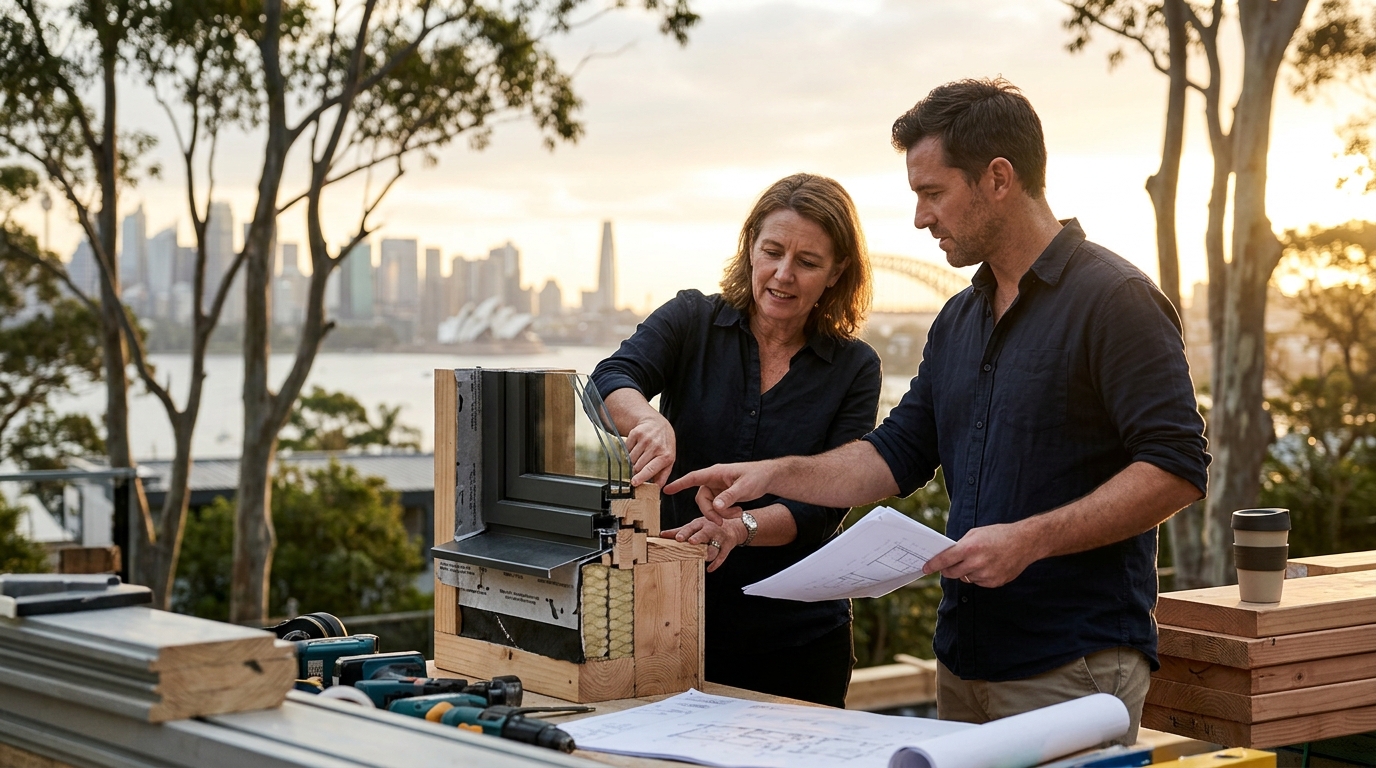
Common Mistakes When Selecting a High-Performance Home Builder in Sydney
Building a high-performance home in Sydney is not merely about aesthetics; it is a rigorous engineering challenge. According to recent industry analyses, up to 80% of energy-efficient projects fail to meet their predicted performance targets due to poor builder selection and execution errors. This statistic highlights a critical gap in the market where homeowners invest heavily in sustainable materials but lack the technical oversight to ensure they perform as designed. The complexity of integrating Passive House principles with Sydney’s unique coastal and urban climate zones demands a builder who understands both the science of thermal comfort and the practicalities of local construction.
Ignoring Passive House Certification Requirements
One of the most frequent errors homeowners make is assuming that "energy efficient" is a sufficient descriptor for their builder. In reality, high-performance building relies on specific, verifiable standards. Passive House is a rigorous, science-based building standard that ensures homes are comfortable, healthy, and energy-efficient. Passive House is a rigorous, science-based building standard that ensures homes are comfortable, healthy, and energy-efficient. Without a builder who understands the technical prerequisites of this standard, you risk constructing a home that looks green but performs like a conventional one.
Builders who are not certified or trained in Passive House design often miss critical details in the thermal envelope. This includes improper insulation installation, thermal bridging, and inadequate ventilation strategies. To avoid this, you must verify that your builder has a track record of delivering certified or certifiable high-performance homes. Look for teams that include Certified Passive House Designers who can guide the project from concept to completion. Our team at reimagined habitat includes one of the largest cohorts of Certified Passive House Designers in Australia, ensuring that every project meets the highest global standards for performance and comfort.
Underestimating the Importance of Airtightness
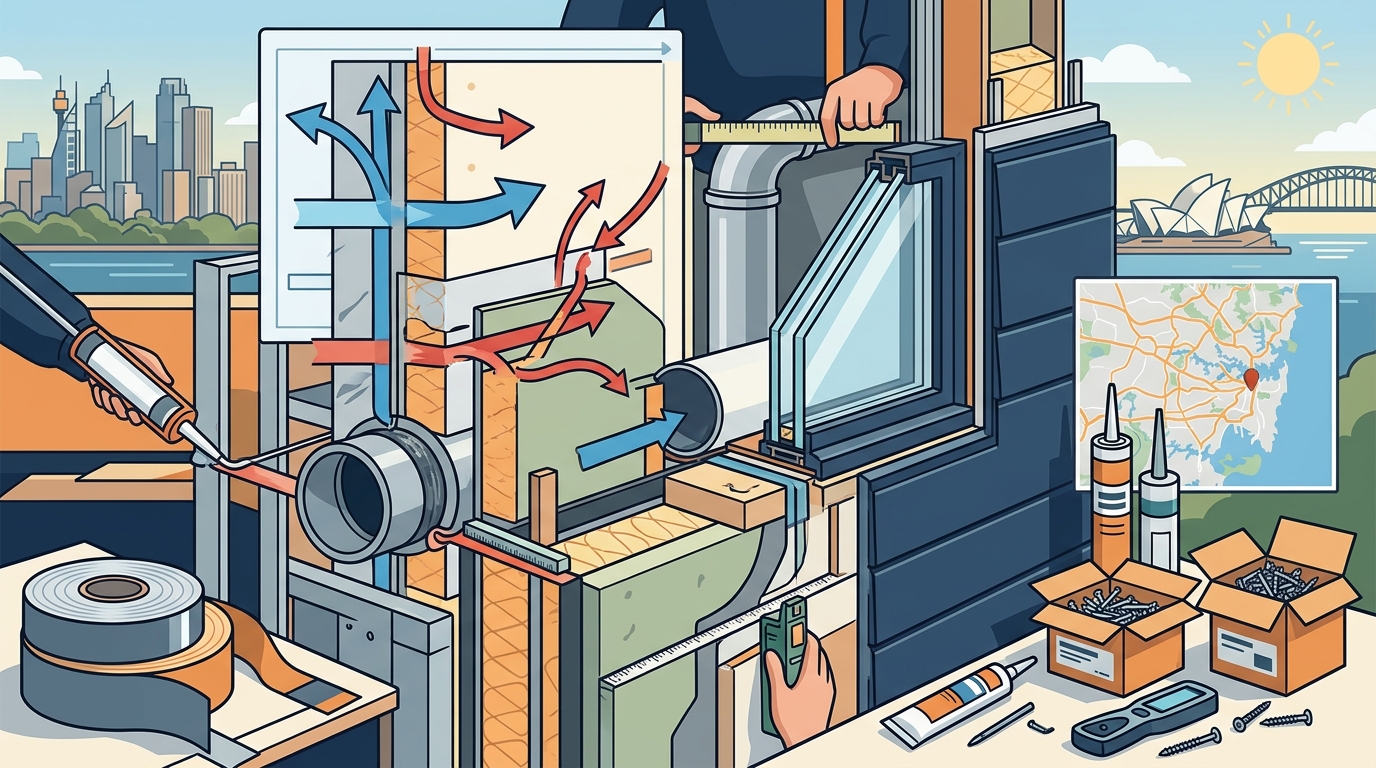
Airtightness is the cornerstone of any high-performance home. It prevents uncontrolled air leakage, which can lead to moisture issues, mold growth, and significant energy loss. Data shows that a home with poor airtightness can lose up to 30% of its heating and cooling energy through gaps and cracks in the building envelope. Many standard builders in Sydney are accustomed to loose construction methods that do not prioritize sealing the envelope to the levels required for high-performance living.
To avoid this mistake, insist on a builder who uses specialized airtightness membranes and conducts blower door tests during construction. These tests verify that the home meets strict air change targets, typically less than 0.6 air changes per hour at 50 Pascals for Passive House standards. The KETO Project, for example, targets an airtightness of ≤0.6 air changes per hour, ensuring a healthy and stable indoor environment. Ask your potential builder how they plan to achieve and verify airtightness, and request references from previous clients who have undergone similar testing.
Overlooking Climate-Specific Design Strategies
Sydney’s climate varies significantly from the northern beaches to the western suburbs. A builder who applies a one-size-fits-all approach to high-performance design will fail to optimize your home’s efficiency. According to the Australian Building Codes Board, climate-responsive design can reduce heating and cooling loads by up to 50% compared to non-responsive designs. This means that orientation, shading, and material selection must be tailored to your specific site conditions.
For instance, homes in hotter northern suburbs require robust shading and thermal mass management, while those in cooler southern areas need to maximize passive solar gain. reimagined habitat specializes in sustainable and healthy building design across Australia, using one of the world’s most stringent energy efficient design standards to inform our designs relative to circumstances and budgets. We ensure that every home we design responds to local conditions and performs over the long term. When selecting a builder, ask them to demonstrate how they have adapted high-performance principles to different Sydney climate zones in their previous projects.
Choosing Standard Builders for Specialized Work
High-performance homes require specialized knowledge and skills that traditional builders often lack. Industry reports indicate that 60% of high-performance home projects experience delays or cost overruns due to builder inexperience with advanced building techniques. Standard builders may view airtightness, thermal bridging, and high-efficiency ventilation as optional add-ons rather than integral components of the build.
To avoid this, seek out builders who specialize in high-performance or sustainable construction. Prefabricated construction methods, for example, offer greater precision and quality control, which are essential for achieving high-performance targets. We offer a complete interior and building design service for home improvements and new construction, specialising in energy efficient, high-performance homes across Australia. Our Net Zero Habitat range is developed using Passive House principles and prefabricated construction methods, delivering exceptional comfort while using virtually no energy for heating and cooling. Verify that your builder has experience with the specific construction methods you are considering, whether it is timber frame, concrete, or prefabricated panels.
Neglecting Long-Term Operational Costs
Many homeowners focus solely on the upfront construction costs of a high-performance home, ignoring the long-term operational savings. Studies show that high-performance homes can reduce energy bills by up to 90% compared to conventional homes. This means that while the initial investment may be higher, the return on investment over the life of the home is significant. Builders who do not prioritize long-term performance may cut corners on insulation or windows, leading to higher energy bills and reduced comfort.
To avoid this mistake, request a detailed energy modeling report from your builder. This report should project the home’s energy consumption and carbon footprint over its lifetime. Our belief is that a home should primarily ‘live well’, yet touch the earth lightly and inspire through design. We provide clear next steps so you leave with direction and confidence, including an understanding of how Passive House principles may apply to your project. Ask your builder to explain how their design choices will impact your long-term energy costs and comfort levels.
Failing to Verify Builder Experience
Experience is a critical factor when selecting a high-performance home builder. According to the Passive House Institute, builders with specific training in high-performance construction are 50% more likely to deliver projects that meet performance targets. Without verified experience, you risk encountering technical challenges that can derail your project and increase costs.
Verify your builder’s experience by asking for a portfolio of completed high-performance homes. Look for projects that have been certified or are close to certification. We have one of the largest cohorts of Certified Passive House Designers in Australia, and our team is a blend of experienced designers and graduates who bring fresh perspectives to the thinking and visualisation of our projects. Ask for references from previous clients and visit completed projects if possible. This will give you a tangible sense of the quality and comfort of their work.
Comparison of Builder Selection Criteria
| Criteria | Standard Builder | High-Performance Specialist |
|---|---|---|
| Thermal Envelope Knowledge | Basic understanding | Expert in Passive House principles |
| Airtightness Testing | Often skipped | Mandatory blower door tests |
| Climate Responsiveness | Generic designs | Site-specific optimization |
| Construction Method | Traditional on-site | Prefabricated or precision on-site |
| Long-Term Performance | Not guaranteed | Verified through modeling |
Key Takeaways
- Passive House Certification: Ensure your builder has Certified Passive House Designers on their team to guarantee technical accuracy.
- Airtightness Targets: Insist on airtightness levels of ≤0.6 air changes per hour to prevent energy loss and moisture issues.
- Climate-Specific Design: Choose a builder who tailors their design to Sydney’s specific climate zones for optimal performance.
- Specialized Experience: Avoid standard builders; seek those with a proven track record in high-performance or prefabricated construction.
- Long-Term Savings: Prioritize builders who provide energy modeling to demonstrate long-term operational cost reductions.
- Verification: Request portfolios and references from previous high-performance projects to verify builder competence.
- Net Zero Goals: Consider prefabricated options like the Net Zero Habitat range for faster, more precise delivery of high-performance homes.
Frequently Asked Questions
What is the difference between a standard builder and a high-performance builder?
A high-performance builder specializes in energy-efficient construction methods, such as Passive House principles, airtightness, and thermal bridging elimination. Standard builders typically follow conventional building codes, which do not mandate the same level of energy efficiency or comfort.
How much does it cost to build a high-performance home in Sydney?
The cost varies depending on the design and materials, but high-performance homes often have a premium of 5-10% over conventional builds. However, this is offset by significant long-term energy savings. Our Net Zero Habitat Homes start from $325,000 + GST, offering a clear path to sustainable living.
Why is airtightness important in a high-performance home?
Airtightness prevents uncontrolled air leakage, which can lead to energy loss, moisture problems, and reduced comfort. It ensures that the ventilation system can control the air quality and temperature efficiently.
Can I build a high-performance home on any site in Sydney?
Yes, but the design must be tailored to the specific site conditions and climate zone. We work with clients across the country, delivering homes that respond to local conditions and perform over the long term.
What is the KETO Project?
The KETO Project is an award-winning prefab home design that achieves net zero carbon by 2048. It features 8+ NatHERS stars, net energy positive performance, and a healthy, airtight envelope.
How do I verify a builder’s high-performance experience?
Ask for a portfolio of completed high-performance homes, request references, and verify if they have Certified Passive House Designers on their team. Our team includes one of the largest cohorts of Certified Passive House Designers in Australia.
What are the benefits of prefabricated high-performance homes?
Prefabricated homes offer greater precision, faster construction times, and higher quality control, which are essential for achieving high-performance targets. We offer a complete interior and building design service for home improvements and new construction, specialising in energy efficient, high-performance homes across Australia.
Start Your High-Performance Home Journey
Selecting the right builder is the most critical step in building a high-performance home in Sydney. By avoiding these common mistakes and choosing a specialist like reimagined habitat, you can ensure your home is healthy, efficient, and built to last. Register for a FREE 30-minute design consultation to discuss your goals and explore the possibilities for your future home.