
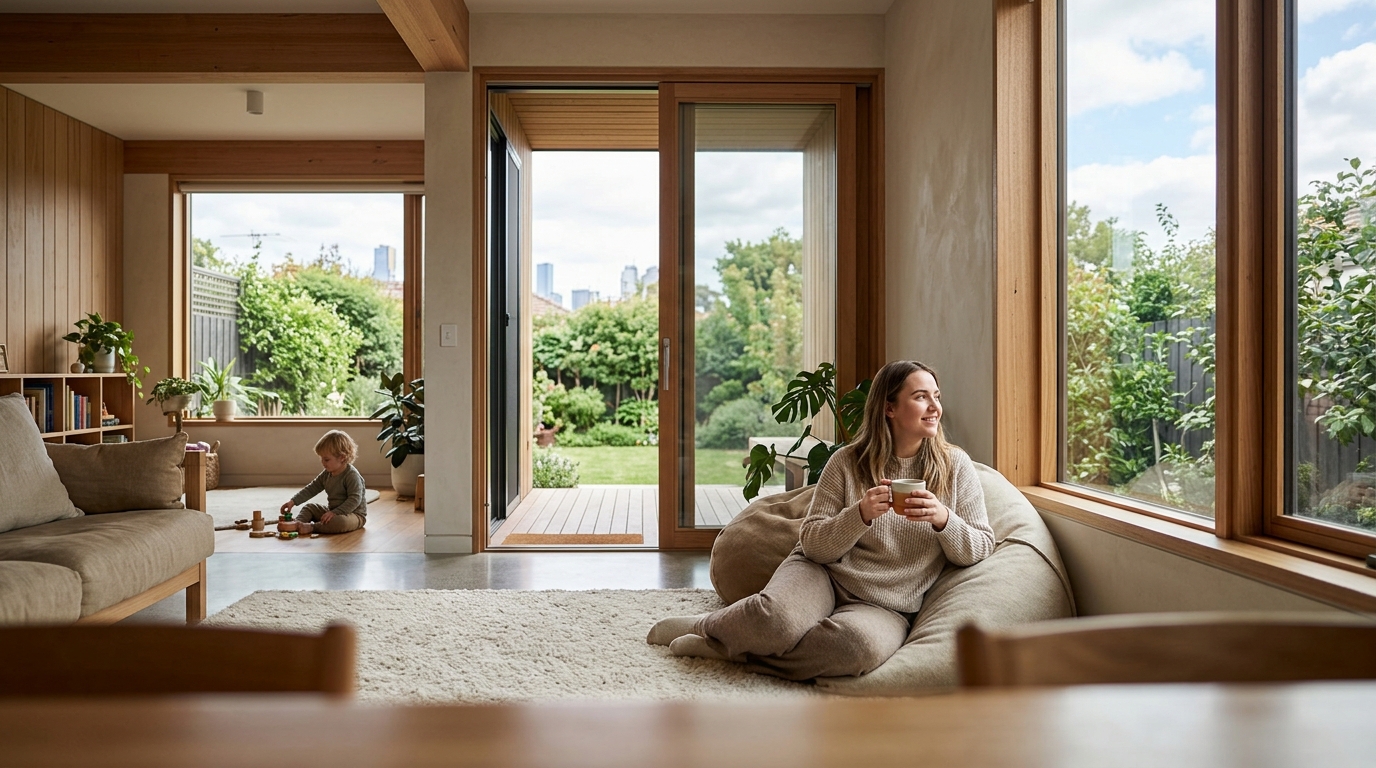
Melbourne is widely recognized as one of the most volatile climates in the world, with weather patterns shifting rapidly between four seasons in a single day. This unpredictability creates a unique challenge for homeowners seeking comfort and efficiency. Recent industry data indicates that homes designed with passive principles can reduce heating and cooling energy consumption by up to 90% compared to standard constructions. This dramatic reduction in utility bills forms the foundation of the financial argument for high-performance design. However, the benefits extend far beyond the monthly electricity statement, encompassing long-term asset value, structural durability, and occupant well-being. (About Us Sustainable Home)
What Defines a Healthy Home in Melbourne?
Before analyzing costs, it is essential to define the product. In the context of Australian architecture, a healthy home is not merely a aesthetic choice but a scientific one. Passive House is a rigorous building standard that focuses on thermal comfort, airtightness, and high-quality insulation. It ensures that the indoor environment remains stable regardless of the external weather conditions.
For Melbourne residents, this means maintaining consistent temperatures during the harsh summer heatwaves and the damp, chilly winters. The design prioritizes fresh, filtered air circulation, which removes indoor pollutants and moisture that can lead to mold growth. This approach transforms a house from a static structure into a living system that supports the health of its inhabitants.
Healthy home design integrates several key components:
- Thermal Envelope: Continuous insulation that eliminates thermal bridges.
- Airtightness: Preventing uncontrolled air leakage to maintain energy efficiency.
- Ventilation: Mechanical heat recovery systems that provide fresh air without losing heat.
- Material Selection: Using low-VOC (Volatile Organic Compounds) materials to ensure indoor air quality.
The Initial Cost Investment
One of the most common concerns for Melbourne homeowners is the upfront cost. It is a well-documented fact in the construction industry that high-performance homes often carry a premium during the initial build phase. This premium typically ranges from 5% to 10% above standard construction costs, depending on the complexity of the design and the specific performance targets.
Where does this additional investment go? It is not wasted expenditure but rather a strategic allocation toward quality and precision. The primary cost drivers include:
- High-Performance Windows: Triple-glazed windows with insulated frames cost significantly more than standard double-glazed units. These windows are critical for Melbourne’s climate, providing superior insulation against both heat loss and heat gain.
- Airtightness Membranes: Installing and sealing the airtight layer requires specialized labor and materials to ensure no air leaks occur.
- Heat Recovery Ventilation (HRV): The installation of mechanical ventilation systems adds to the initial hardware costs but is essential for maintaining air quality in a sealed building.
- Design Expertise: Working with certified Passive House designers ensures that the complex physics of the building are correctly modeled and executed.
While the initial outlay is higher, this investment is comparable to upgrading from a standard vehicle to a high-efficiency hybrid. You are paying for technology and durability that will pay you back over time.
Long-Term Financial Benefits
The true value of healthy home design in Melbourne is realized over the lifespan of the building. Energy prices in Victoria have been on a general upward trend, making energy independence a valuable financial asset. By drastically reducing the need for active heating and cooling, homeowners can lock in their energy costs at a fraction of the standard rate.
Consider the following financial advantages:
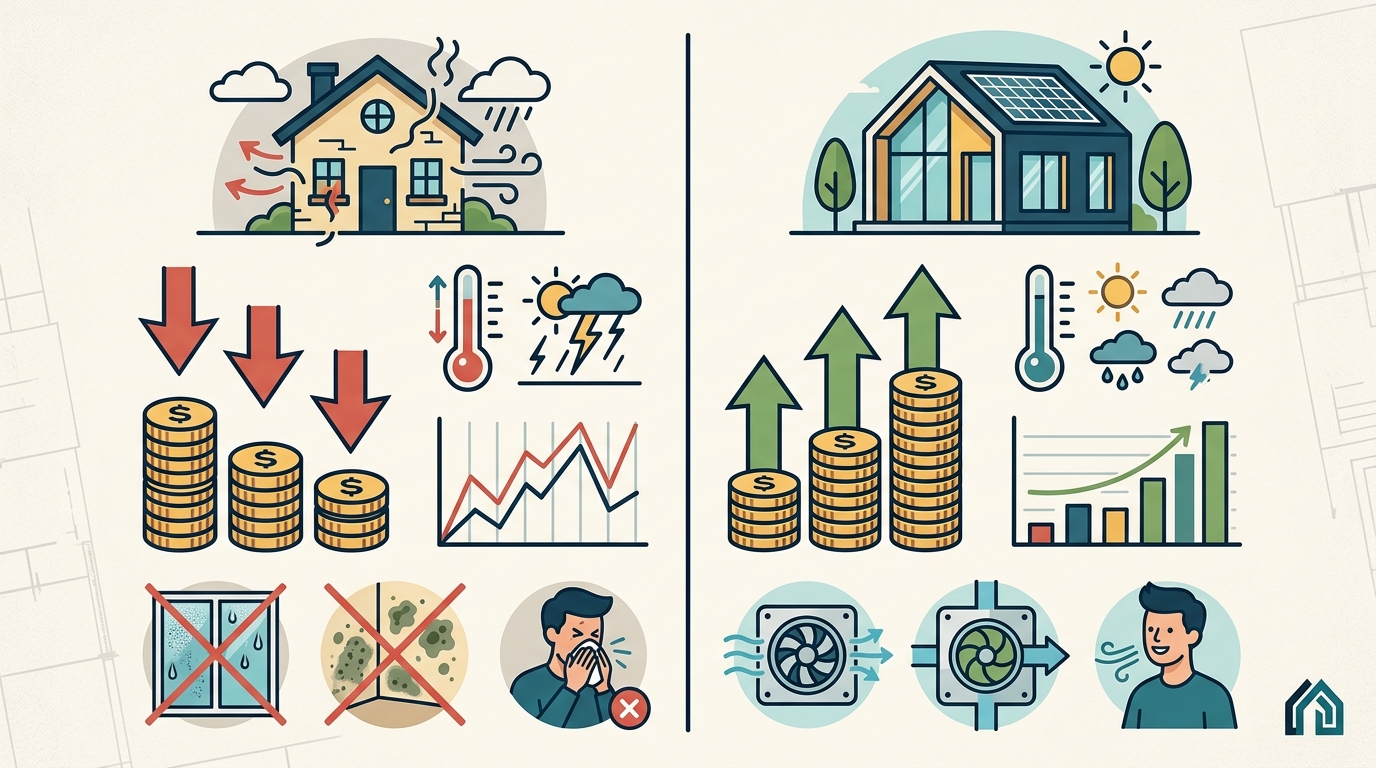
- Reduced Utility Bills: Homes designed to Passive House standards can reduce heating and cooling costs by up to 90%. For a typical Melbourne household, this can translate to thousands of dollars saved annually.
- Increased Property Value: Sustainable homes are increasingly in demand. Properties with high energy ratings and healthy indoor environments often command a premium in the real estate market, as buyers recognize the long-term savings and comfort benefits.
- Lower Maintenance Costs: High-quality materials and robust construction methods result in less wear and tear. The airtight envelope protects the building structure from moisture damage, extending the lifespan of the building components.
- Future-Proofing Against Regulations: As building codes become stricter, existing high-performance homes will remain compliant without the need for costly retrofits.
The concept of Net Zero Energy is a realistic goal for many Melbourne homes. By combining high efficiency with renewable energy sources like solar panels, homeowners can achieve energy neutrality, effectively eliminating their electricity bills for heating, cooling, and general use.
Health and Wellbeing Return on Investment
While financial metrics are important, the health benefits of a healthy home are immeasurable. Melbourne’s older housing stock often suffers from poor ventilation, dampness, and cold spots. These conditions can lead to respiratory issues, allergies, and general discomfort. A healthy home design directly addresses these problems.
Key health benefits include:
- Improved Air Quality: Mechanical ventilation with heat recovery ensures a constant supply of fresh, filtered air. This removes allergens, pollutants, and excess humidity, reducing the risk of mold and mildew.
- Thermal Comfort: Eliminating cold drafts and hot spots creates a consistent indoor temperature. This stability reduces stress on the body and improves sleep quality.
- Noise Reduction: High-performance windows and thick insulation provide excellent soundproofing, creating a quieter and more peaceful living environment.
- Mental Wellbeing: Natural light optimization and connection to the outdoors are core principles of healthy design, contributing to better mental health and productivity.
Investing in a healthy home is an investment in the well-being of your family. The cost of healthcare and lost productivity due to illness can far exceed the initial construction premium.
Melbourne Climate Impact on Performance
Melbourne’s climate is unique, characterized by rapid weather changes and a wide temperature range. This variability makes traditional building methods less effective. Standard homes often struggle to maintain comfort during extreme heat or cold snaps.
Healthy home design is particularly effective in Melbourne because it is tailored to these specific conditions. The design process involves detailed solar analysis to maximize winter sun gain while minimizing summer heat gain. This passive solar strategy reduces the reliance on mechanical systems.
Furthermore, Melbourne’s older housing stock is often poorly insulated. Retrofitting existing homes with healthy design principles can yield significant improvements in comfort and efficiency. For new builds, starting with a high-performance baseline ensures that the home is optimized from day one.
Comparing Design Options
When considering healthy home design in Melbourne, homeowners have several options. Each option offers different levels of performance, cost, and aesthetic flexibility. The following table compares the most common approaches:
| Design Approach | Energy Efficiency | Initial Cost | Comfort Level | Best For |
|---|---|---|---|---|
| Passive House Certified | Very High (90% reduction) | High (5-10% premium) | Excellent | Long-term investment, maximum comfort |
| Net Zero Habitat | High (Net Zero Potential) | Moderate to High | Very Good | Sustainable living, eco-conscious owners |
| Standard Construction | Low to Moderate | Low | Moderate | Short-term ownership, budget constraints |
| Prefabricated High-Performance | High | Moderate | Good to Very Good | Speed of build, quality control |
Choosing the right option depends on your specific goals, budget, and site conditions. A consultation with experienced designers can help you navigate these choices and find the best fit for your needs.
Key Takeaways
- Significant Energy Savings: Healthy homes can reduce heating and cooling costs by up to 90%, providing substantial long-term financial benefits.
- Health Improvements: Improved air quality and thermal comfort directly enhance the well-being and health of occupants.
- Higher Initial Cost: The upfront investment is typically 5-10% higher than standard construction, but this is offset by long-term savings.
- Melbourne Climate Suitability: Passive design principles are particularly effective in Melbourne’s volatile climate, ensuring year-round comfort.
- Property Value Increase: Sustainable, high-performance homes are increasingly valuable in the real estate market.
- Future-Proofing: High-performance homes are better equipped to meet future building regulations and energy standards.
- Expert Design Required: Achieving true healthy home performance requires specialized design expertise and attention to detail.
Frequently Asked Questions
Is healthy home design only for new builds?
No, healthy home principles can be applied to both new constructions and existing homes. Retrofitting older Melbourne homes with better insulation, airtightness, and ventilation can significantly improve their performance and comfort.
How much does it cost to build a Passive House in Melbourne?
The cost is typically 5-10% higher than standard construction. However, this premium is offset by lower energy bills and increased property value over time. The exact cost depends on the size, complexity, and specific materials used.
Can I achieve net zero energy in Melbourne?
Yes, many Melbourne homes can achieve net zero energy. By combining high-efficiency design with solar panels and battery storage, homeowners can produce as much energy as they consume.
What is the difference between a healthy home and a standard home?
A healthy home focuses on air quality, thermal comfort, and material safety. Standard homes often prioritize cost and speed over these factors, leading to potential issues with mold, drafts, and poor air circulation.
Do I need special maintenance for a healthy home?
Healthy homes require minimal maintenance. The high-quality materials and robust construction methods ensure durability. The ventilation systems may require occasional filter changes, but this is a simple and infrequent task.
How does Melbourne’s climate affect healthy home design?
Melbourne’s volatile climate makes healthy home design particularly beneficial. The design must balance winter sun gain with summer heat protection, ensuring comfort year-round.
Are there government incentives for healthy homes in Victoria?
There are various rebates and incentives available for energy-efficient upgrades in Victoria. Homeowners should check with local authorities and energy providers for the latest information on grants and rebates.
Start Your Healthy Home Journey
Investing in a healthy home is one of the most impactful decisions you can make for your family’s well-being and financial future. By prioritizing energy efficiency, air quality, and thermal comfort, you create a living space that supports health and reduces environmental impact.
If you are ready to explore the possibilities of healthy home design in Melbourne, we invite you to contact us for a consultation. Our team of certified Passive House designers is here to guide you through the process, from initial concept to final construction. Let us help you build a home that performs as beautifully as it looks.