
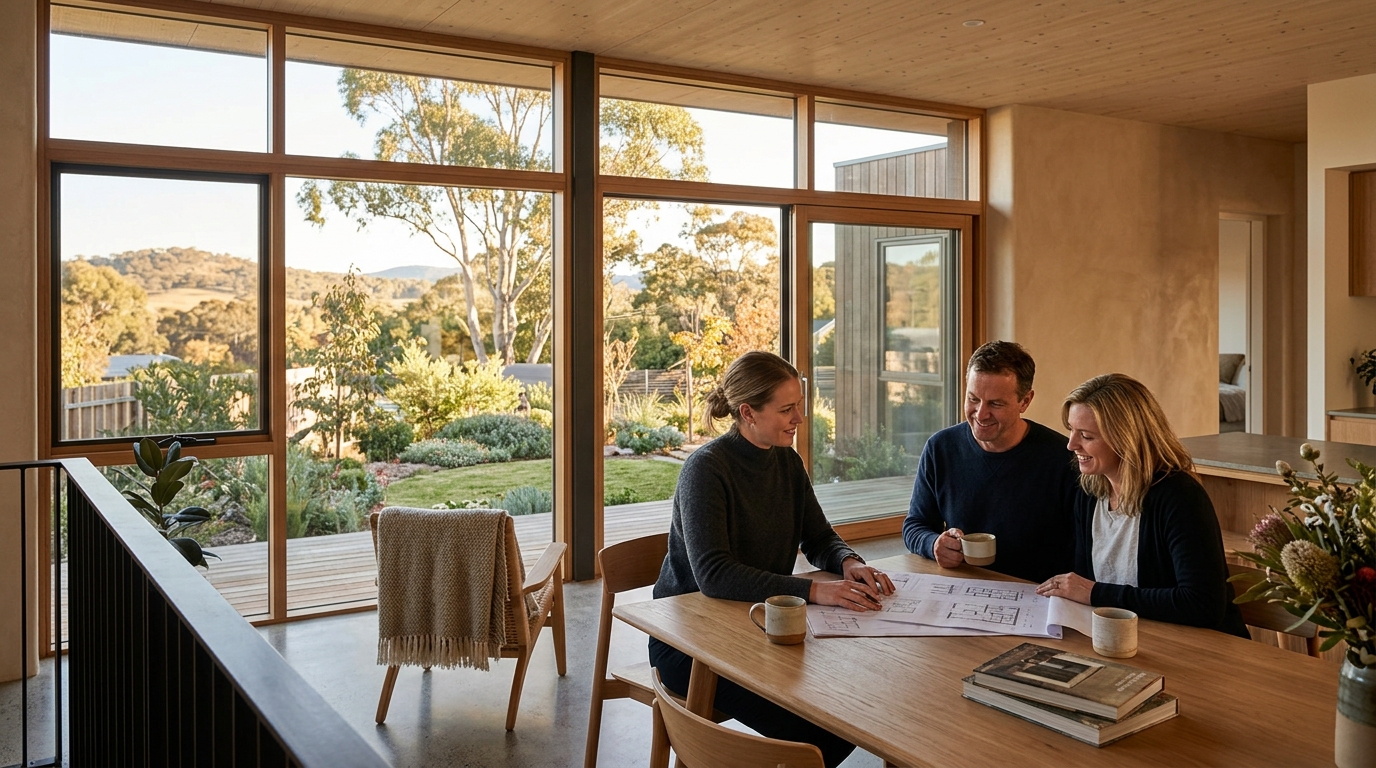
Canberra homeowners are increasingly turning to high-performance building standards to combat the capital's extreme temperature swings. According to recent energy market analyses, households in the Australian Capital Territory face some of the highest heating and cooling costs in the nation due to the continental climate. This economic pressure has made Passive House design not just an environmental choice, but a financial imperative for long-term asset protection.
Understanding Passive House Standards
Passive House is a rigorous voluntary building standard that focuses on energy efficiency, comfort, and sustainability. It is not a specific architectural style, but rather a performance-based approach to construction. The core principle is to minimize the need for active heating and cooling systems through superior insulation, airtightness, and thermal bridge-free design.
Passive House is a globally recognized certification that ensures buildings use up to 90% less energy for heating and cooling compared to conventional structures. This standard requires specific metrics to be met, including an air change rate of less than 0.6 per hour at 50 Pascals pressure. Achieving this level of performance in older Canberra homes requires careful planning and specialized design expertise.
At reimagined habitat, we specialize in translating these complex scientific principles into practical, beautiful living spaces. Our team includes some of the largest cohorts of Certified Passive House Designers in Australia. We understand that every renovation project is unique, requiring tailored solutions that respect the existing structure while upgrading its performance.
Canberra Climate Challenges
Canberra experiences a unique climate characterized by hot, dry summers and cold, crisp winters. This continental climate places significant stress on building envelopes. Traditional homes often struggle to maintain consistent indoor temperatures, leading to high energy consumption and reduced comfort levels.
The Australian Bureau of Statistics indicates that the ACT has one of the highest rates of household energy expenditure relative to income. This data highlights the urgent need for energy-efficient renovations. By addressing the specific thermal challenges of the region, homeowners can significantly reduce their carbon footprint and utility bills.
Our approach involves analyzing the specific orientation and shading requirements of your site. We utilize tools like the Net Zero Habitat framework to assess potential improvements. This ensures that your renovation not only meets Passive House standards but also optimizes passive solar gain for winter warmth and summer shade.
Cost Breakdown for Renovations
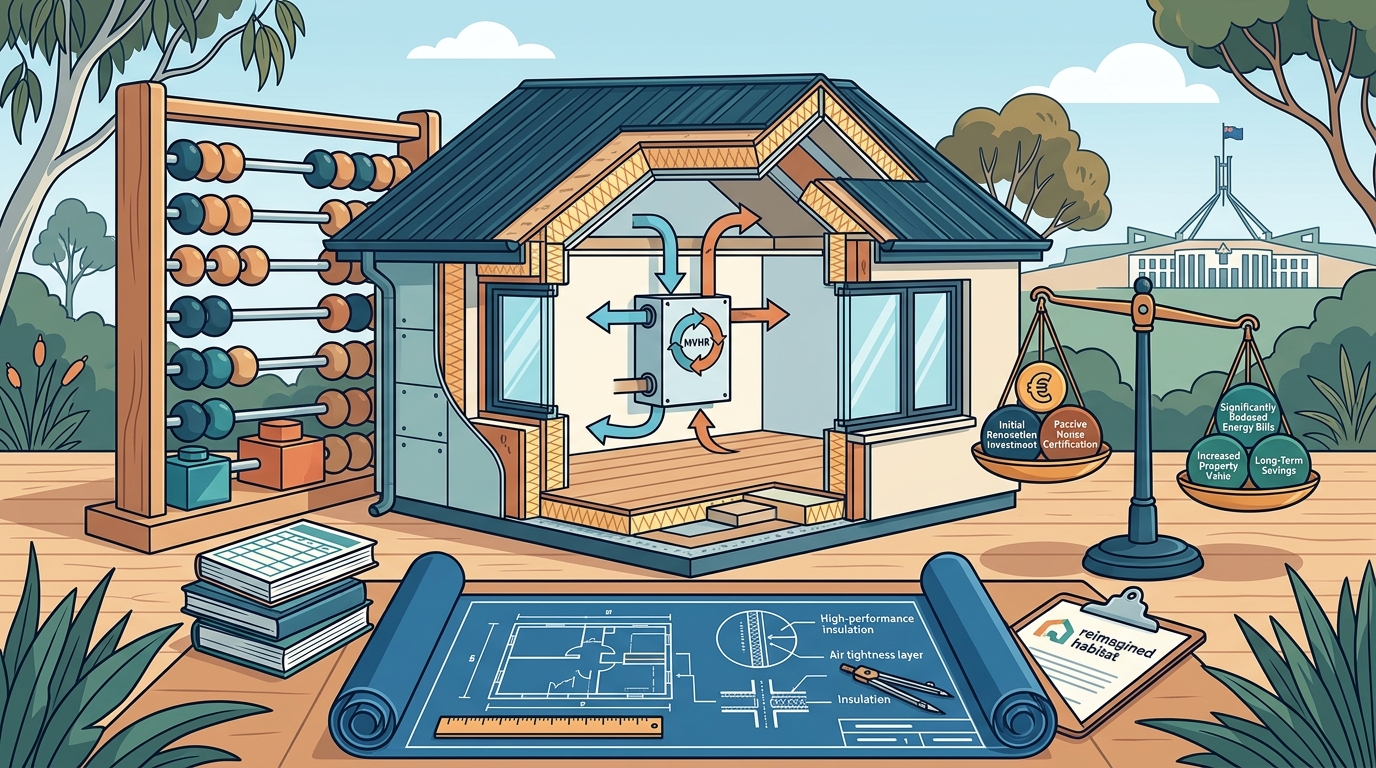
One of the most common concerns for homeowners is the initial cost of upgrading to Passive House standards. While the upfront investment is higher than conventional renovations, the long-term savings are substantial. The cost difference typically ranges from 5% to 10% for new builds, but for renovations, it can vary based on the extent of the work required.
Key cost drivers include high-performance windows, advanced insulation materials, and airtightness detailing. Triple-glazed windows, for example, are essential for minimizing heat loss during Canberra's cold winters. These windows provide superior thermal performance compared to standard double-glazed units, reducing condensation and improving indoor air quality.
Insulation is another critical component. We often recommend wood-fibre insulation for its breathability and carbon-storing properties. This material helps regulate humidity levels, which is particularly beneficial in Canberra's dry climate. Additionally, the use of breathable weather barriers ensures that the building envelope remains durable and effective over time.
Our team provides detailed cost estimates during the initial consultation. We believe in transparency and clarity, ensuring that you understand exactly where your investment is going. By optimizing the design early in the process, we can minimize unnecessary costs while maximizing performance outcomes.
ROI and Energy Savings
The return on investment for Passive House renovations is driven by reduced energy bills, increased property value, and improved health outcomes. Homeowners in Canberra can expect to see a significant reduction in their heating and cooling costs, often exceeding 70% compared to pre-renovation levels.
According to industry reports, energy-efficient homes sell for a premium in the real estate market. This is due to the growing awareness of sustainability and the desire for lower living costs. Buyers are increasingly willing to pay more for homes that offer comfort, health, and financial efficiency.
Furthermore, the health benefits of Passive House design are substantial. Improved indoor air quality, stable temperatures, and reduced noise pollution contribute to a higher quality of life. These factors are particularly important for families with young children or elderly members who are more sensitive to environmental conditions.
Our Net Zero Habitat designs demonstrate how these principles can be applied to various project types. From granny flats to full-scale renovations, the benefits of high-performance design are consistent. By investing in Passive House standards, you are investing in the long-term value and sustainability of your home.
Design Options Comparison
Choosing the right renovation strategy depends on your specific goals, budget, and site conditions. Below is a comparison of common approaches to improving home performance in Canberra.
| Approach | Cost Level | Energy Savings | Comfort Improvement | Best For |
|---|---|---|---|---|
| Standard Renovation | Low | Minimal | Moderate | Budget-conscious updates |
| Energy Star Upgrade | Medium | Moderate | High | Incremental efficiency gains |
| Passive House Retrofit | High | Very High | Exceptional | Long-term performance |
| Net Zero Habitat | Variable | Net Positive | Exceptional | New builds or major overhauls |
Key Takeaways
- Canberra's continental climate creates high heating and cooling demands for traditional homes.
- Passive House standards can reduce energy consumption for heating and cooling by up to 90%.
- The upfront cost of Passive House renovations is typically 5-10% higher than conventional builds.
- Triple-glazed windows and wood-fibre insulation are critical components for Canberra's climate.
- Energy-efficient homes command a premium in the real estate market due to lower operating costs.
- reimagined habitat offers specialized design services for Passive House projects across Australia.
- The KETO Project demonstrates how prefab homes can achieve net zero carbon by 2048.
Frequently Asked Questions
How much does a Passive House renovation cost in Canberra?
The cost varies depending on the scope of work, but it is generally 5-10% higher than conventional renovations. However, the long-term energy savings offset this initial investment.
Is Passive House suitable for older Canberra homes?
Yes, Passive House principles can be applied to renovations of older homes. It requires careful detailing to ensure airtightness and thermal bridge-free construction.
What are the health benefits of Passive House design?
Passive House design improves indoor air quality, reduces noise pollution, and maintains stable temperatures, leading to better overall health and comfort.
How long does a Passive House renovation take?
The timeline depends on the complexity of the project, but it is similar to conventional renovations. The key is precise planning and execution to meet performance targets.
Can I achieve net zero energy with a renovation?
Yes, by combining Passive House design with renewable energy systems, you can achieve net zero energy consumption. Our Net Zero Habitat designs offer flexible solutions for this goal.
What insulation materials are best for Canberra?
Wood-fibre insulation is highly recommended for its breathability and carbon-storing properties. It works well with Canberra's dry climate and provides excellent thermal performance.
Do I need a special heating system for a Passive House?
No, Passive House homes require very small heating systems due to their superior insulation. Often, a simple radiator or underfloor heating system is sufficient.
Start Your High-Performance Renovation
Ready to transform your Canberra home into a healthy, energy-efficient sanctuary? Contact reimagined habitat today to schedule your free 30-minute design consultation. Our team of Certified Passive House Designers is ready to help you achieve your goals.
Visit our contact page to learn more about our services. Explore our award-winning KETO Project for inspiration. Discover our Banksia prefab home design options. Read more about our approach to sustainable design. Check out our latest blog posts for expert insights.