
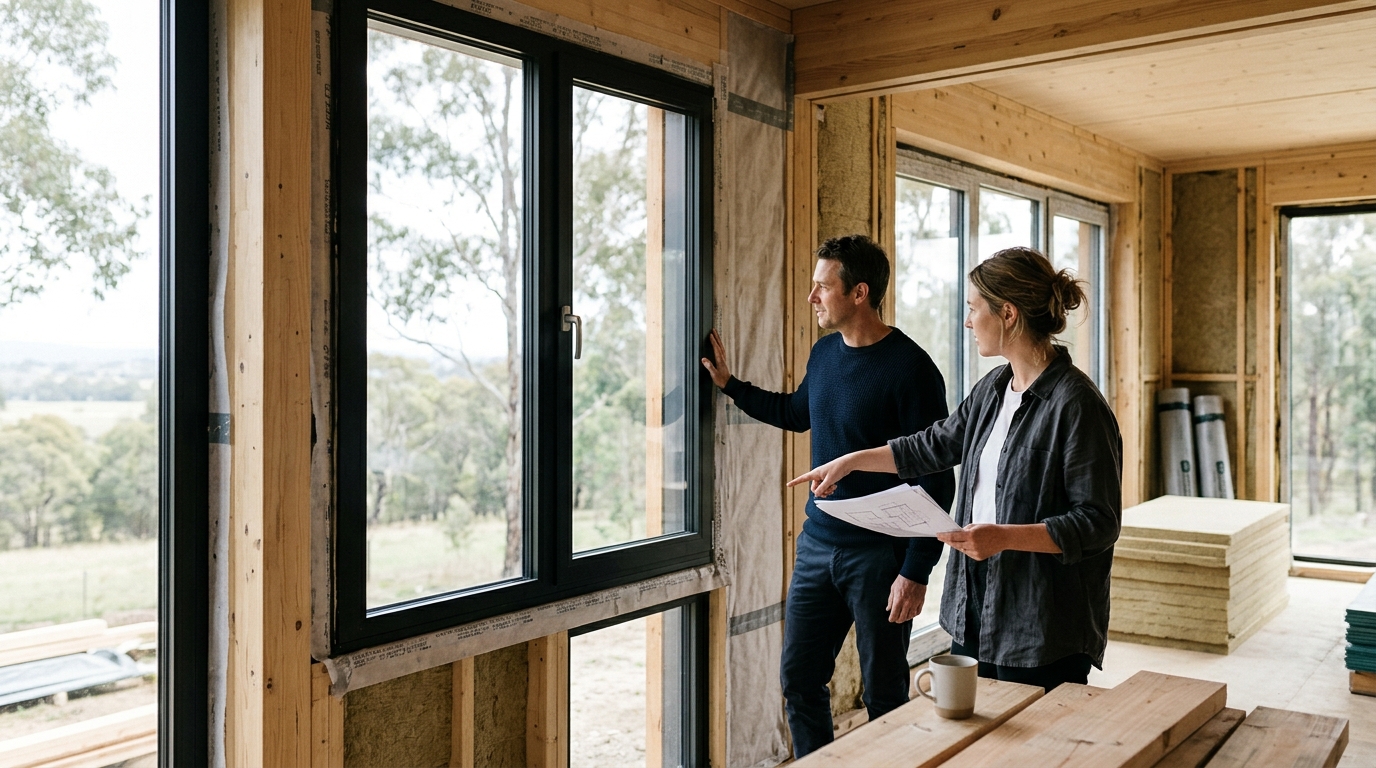
High-performance homes require specific premium materials and components that directly impact long-term comfort, energy savings, and structural integrity. At reimagined habitat, we focus on elements like airtight membranes, high-performance windows, and mechanical ventilation systems. These investments are not optional extras; they are the core mechanisms that allow a home to maintain stable temperatures with minimal energy use. Understanding which components deliver the highest return on investment helps homeowners make informed decisions about their build budget.
The Critical Role of Airtightness Membranes
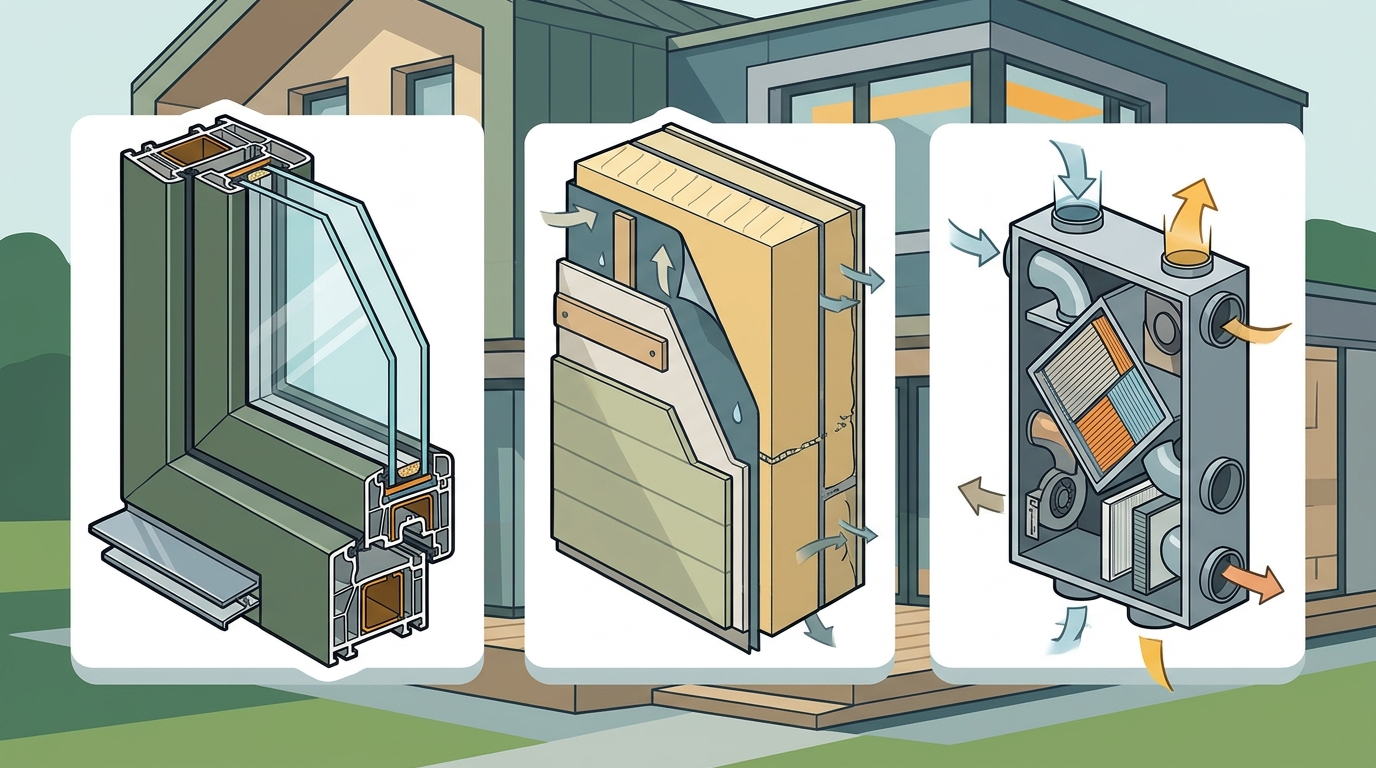
Airtightness is the foundation of any high-performance building envelope. An airtight membrane is a continuous layer applied to the building structure that prevents uncontrolled air leakage. Without this layer, even the best insulation will fail because warm, moist air escapes and cold, dry air enters, creating thermal bridges and condensation risks. In our Net Zero Habitat range, we include a dedicated airtightness membrane as a standard feature. This component ensures that the home holds its temperature and prevents the energy waste that plagues standard construction. The cost of the membrane is relatively low compared to the energy savings it provides over the life of the home.
High-Performance Windows and Glazing
Windows are often the weakest link in a building envelope, but they are also the most visible feature of a home. High-performance windows are typically triple-glazed units with low-emissivity coatings and gas fills that significantly reduce heat transfer. In our prefab homes, we use triple-glazed uPVC windows with AluClad, such as the Blu Evolution 82 system. These windows provide superior insulation compared to standard double-glazed units. The upfront cost is higher, but the reduction in heating and cooling demand is substantial. For a home aiming for 8 to 10 NatHERS stars, the window specification is non-negotiable. It directly determines whether the home can achieve its energy targets without excessive mechanical heating.
Insulation Materials and Thermal Bridging
Insulation is not just about thickness; it is about material quality and continuity. Woodfibre insulation is a premium material that offers excellent thermal performance and hygroscopic properties, meaning it can absorb and release moisture without losing its insulating value. This is crucial for maintaining indoor air quality and preventing mould. In our designs, we use healthy woodfibre insulation in walls and roofs. This material is more expensive than standard mineral wool, but it provides better long-term performance and a healthier indoor environment. Eliminating thermal bridges is also key. We use fully insulated external and internal wall panels to ensure that heat does not leak through structural connections. This continuous insulation layer is a premium component that justifies its cost through superior comfort and energy efficiency.
Mechanical Ventilation with Heat Recovery
A high-performance home is sealed, which means it requires a dedicated system to provide fresh air. Mechanical ventilation with heat recovery (MVHR) is a system that extracts stale air from bathrooms and kitchens while bringing in fresh, filtered air, recovering heat from the outgoing air to pre-condition the incoming air. This component is essential for maintaining indoor air quality in an airtight home. The MVHR unit is a significant capital cost, but it ensures that the home remains healthy and comfortable without relying on open windows, which would compromise the airtightness. In our Net Zero Habitat homes, the ventilation system is integrated into the design from the start, ensuring optimal placement and ducting. This integration is a key differentiator from standard homes that rely on natural ventilation, which is less effective in high-performance envelopes.
Healthy Interior Finishes and Low-VOC Materials
The air you breathe inside your home is a critical aspect of health. Low-VOC (volatile organic compounds) finishes are premium materials that off-gas fewer toxins into the indoor air. Standard paints, adhesives, and sealants can release harmful chemicals that affect respiratory health and overall wellbeing. In our designs, we prioritize low- or no-VOC finishes, reduced formaldehyde, and silica-free benchtops. These materials are more expensive than their standard counterparts, but they contribute to a healthier living environment. The cost of these finishes is justified by the long-term health benefits and the peace of mind that comes from knowing your home is not exposing you to unnecessary toxins. This focus on health is a core part of our philosophy at reimagined habitat.
Key Takeaways
- Airtightness membranes are a low-cost, high-impact component that prevents energy waste and condensation.
- Triple-glazed, high-performance windows are essential for achieving high NatHERS ratings and reducing heating demand.
- Woodfibre insulation offers superior thermal and hygroscopic performance compared to standard mineral wool.
- Mechanical ventilation with heat recovery is necessary to maintain air quality in airtight homes.
- Low-VOC interior finishes improve indoor air quality and long-term health outcomes.
- Integrating these components from the design stage reduces overall costs and improves performance.
Frequently Asked Questions
Do I need triple glazing for a high-performance home?
Yes, triple glazing is generally required to achieve the high thermal performance needed for 8 to 10 NatHERS stars. It significantly reduces heat loss through windows, which are a major source of energy waste in standard homes.
Is woodfibre insulation worth the extra cost?
Yes, woodfibre insulation is worth the extra cost because it provides better long-term performance and helps regulate indoor humidity, which is crucial for a healthy living environment.
What is the main benefit of an airtight membrane?
The main benefit is preventing uncontrolled air leakage, which ensures that the insulation works as intended and reduces energy consumption for heating and cooling.
Can I add MVHR to an existing home?
It is possible to retrofit MVHR into an existing home, but it is much more effective and cost-efficient when integrated into the design of a new build or a deep retrofit.
Why are low-VOC finishes important?
Low-VOC finishes are important because they reduce the release of harmful chemicals into the indoor air, contributing to better respiratory health and overall wellbeing.
Conclusion
Investing in premium materials and components is the key to unlocking the full potential of a high-performance home. At reimagined habitat, we believe that a home should be healthy, comfortable, and efficient. By focusing on airtightness, high-performance windows, quality insulation, and healthy finishes, we create homes that deliver on these promises. If you are considering a high-performance build, we invite you to to discuss how these components can be integrated into your project. Learn more: Contact passive house designer.