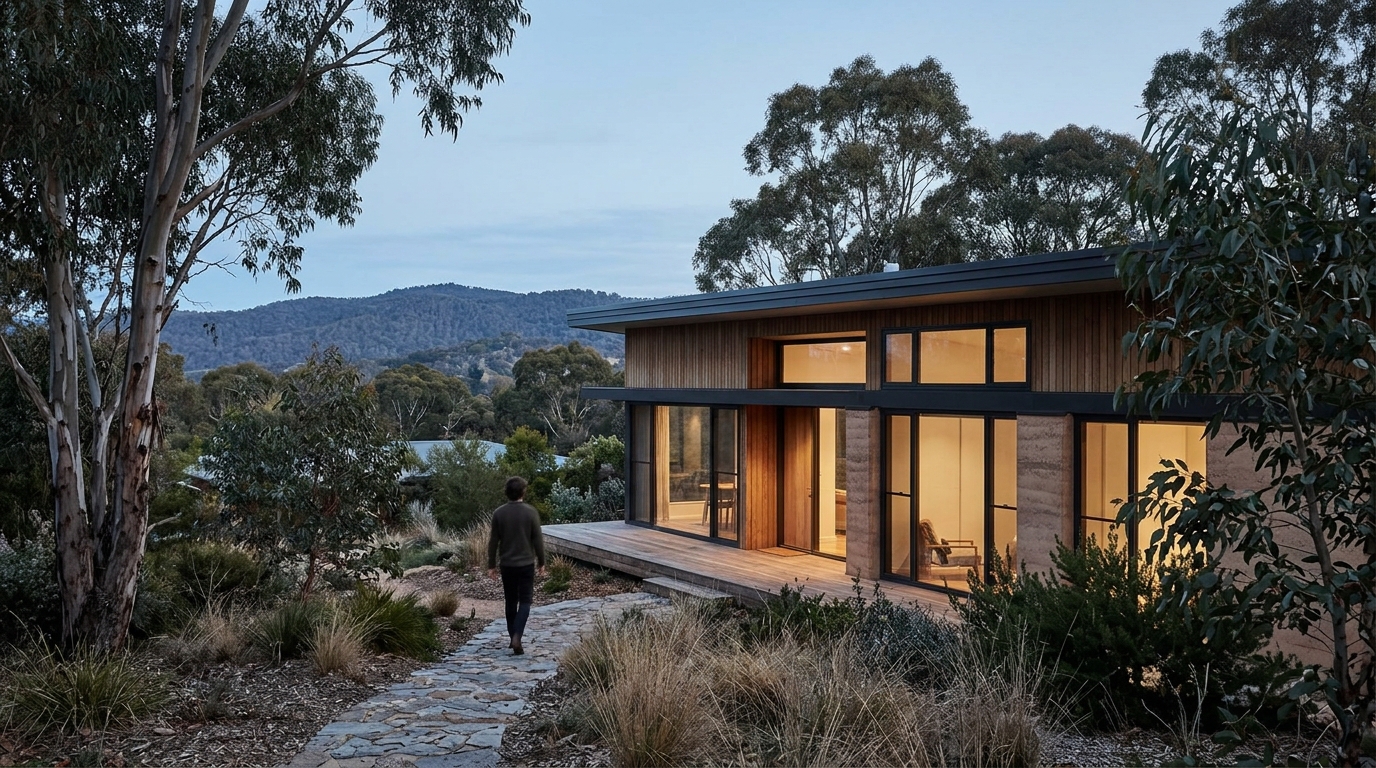
Passive House certification is a rigorous, science-based standard that verifies a building's energy performance, airtightness, and thermal comfort. For Canberra homeowners, it means a home that stays warm in winter and cool in summer with minimal energy use. reimagined habitat helps you understand and achieve this standard in the ACT.
The Science Behind the Standard
Passive House is not a brand or a specific building material. It is an open-source building standard that prioritizes exceptional thermal comfort and energy efficiency. The methodology was developed by academics and refined by designers and scientists over more than 30 years. This long history of testing ensures that the standard is reliable and proven.
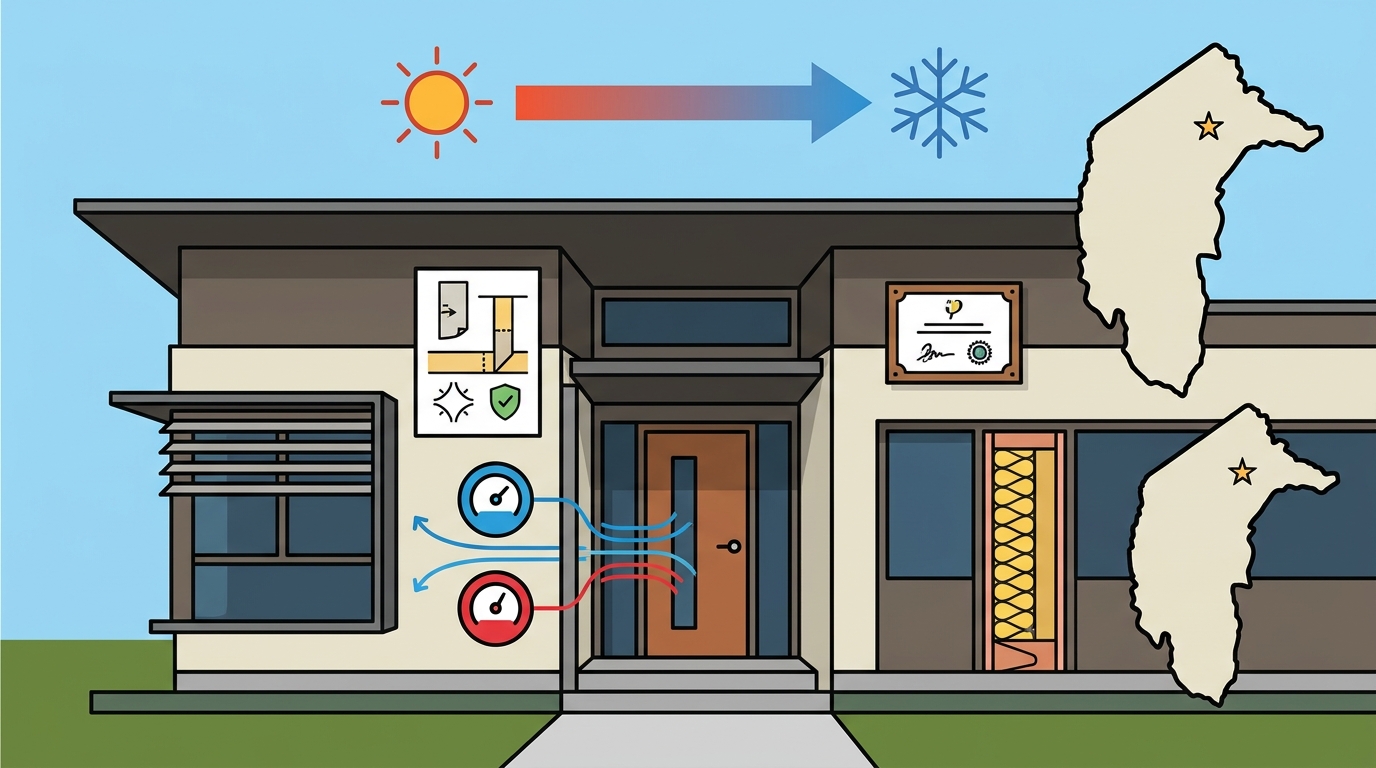
The core of the standard relies on five key principles. These include high levels of thermal insulation, the elimination of thermal bridges, and the use of triple-glazed windows. It also requires an airtight building envelope and mechanical ventilation with heat recovery. When these elements work together, the building performs exactly as predicted by computer models.
In Canberra, this science is particularly relevant. The local climate features cold winters and significant temperature swings. A certified home responds to these conditions by retaining heat effectively. This reduces the need for active heating systems. The result is a stable indoor environment that feels comfortable year-round.
What Certification Actually Verifies
Certification is the process of proving that a building meets the Passive House criteria. It involves detailed modeling using the Passive House Planning Package (PHPP). This software simulates the building's energy performance before construction begins. The model checks heating demand, cooling demand, and airtightness.
For a Canberra home, the model must account for local weather data. It ensures the design can handle frosty mornings and hot summer days. The certification process also includes an airtightness test during construction. This test measures how much air leaks through the building envelope. A lower air change rate indicates a tighter, more efficient home.
reimagined habitat utilizes these modeling tools as essential design instruments. Our team uses NatHERS modeling and sun path analysis to inform decisions. This approach ensures that the final building matches the predicted performance. It provides homeowners with confidence that their investment will deliver the promised comfort and efficiency.
Comfort and Health Benefits in the ACT
Energy efficiency is only one part of the story. Passive House certification also guarantees superior indoor air quality and thermal comfort. The integrated ventilation system provides a constant supply of fresh, filtered air. This helps regulate humidity and prevents condensation. It also reduces the risk of mold and associated health issues.
In Canberra, where many homes struggle with cold floors and uneven temperatures, this benefit is significant. A certified home eliminates these common complaints. It provides a resilient shelter that remains comfortable even during power outages. This resilience is an added layer of security in a changing climate.
Local Climate Considerations
Designing for Canberra requires a specific understanding of local conditions. The region has one of the most demanding climates in Australia. Cold winters and frosty mornings place considerable pressure on the building fabric. Many standard homes lose heat quickly in these conditions. They often rely heavily on heating systems to remain comfortable.
Passive House design addresses these challenges directly. It focuses on high-performance insulation and airtight construction. It also considers orientation and shading to manage solar gain. In summer, shading prevents overheating. In winter, it allows sunlight to warm the interior. This passive solar strategy works in harmony with the insulation to maintain comfort.
reimagined habitat has extensive experience working in the ACT. Our head office is based in Canberra, giving us deep insight into local regulations and climate. We design homes that respond properly to these specific conditions. This local expertise ensures that the certification process is tailored to the unique needs of Canberra homeowners.
Getting Started with Your Project
Understanding what certification means is the first step. The next step is applying these principles to your specific site and budget. reimagined habitat offers a complete design service for new builds and renovations. We guide you through the intricacies of environmentally conscious building. Our team helps you weigh the benefits against your circumstances.
We can design homes to meet full Passive House certification. Alternatively, we can apply these principles to create high-performing homes that suit your budget. This flexibility allows you to achieve significant energy savings without necessarily paying for full certification. The key is to integrate performance from the very first design decisions. This approach keeps costs lower and ensures better results.
To begin your journey, you can explore our resources or speak with our team. We are committed to helping you create a home that lives well and touches the earth lightly. Our goal is to make healthy, efficient homes accessible to everyone in the region.
Key Takeaways
- Passive House is a science-based standard, not a brand or specific product.
- Certification verifies energy performance, airtightness, and thermal comfort through modeling and testing.
- Canberra's cold climate makes high insulation and airtightness critical for comfort.
- Certified homes provide consistent temperatures and fresh, filtered air year-round.
- reimagined habitat uses local expertise and PHPP modeling to ensure predicted performance.
- Performance can be integrated early in design to manage costs effectively.
Frequently Asked Questions
Is Passive House certification mandatory in Canberra?
No, Passive House certification is not currently mandatory in Canberra. However, it is becoming a global norm, and many cities are moving toward stricter energy standards. In Australia, we are in the early stages, but momentum is building for higher performance requirements.
How much does Passive House certification cost?
The cost of certification itself is a small fraction of the total build cost. The main financial impact comes from the building materials and systems required to meet the standard. In Australia, the premium for a certified home is usually in the range of 5 to 15 percent more than a comparable standard home, depending on how early the principles are integrated.
Can I get Passive House benefits without full certification?
Yes, you can apply Passive House principles to create a high-performing home without seeking formal certification. This approach allows you to achieve significant energy savings and comfort improvements while potentially managing costs differently. reimagined habitat can help you decide which level of performance suits your budget.
What is the difference between Passive House and standard building codes?
Standard building codes set minimum requirements for safety and basic energy efficiency. Passive House sets much higher performance targets for comfort and energy use. A standard home might meet code but still feel uncomfortable or use significant energy. A Passive House is designed to be comfortable with minimal energy input.
Does Passive House work in Canberra's summer?
Yes, Passive House works in all climates, including Canberra's summers. The design includes careful shading and orientation to prevent overheating. The airtight envelope and ventilation system also help manage humidity. The goal is to keep the home cool in summer and warm in winter without relying heavily on active systems.
Next Steps
If you are considering a new build or renovation in Canberra, understanding the certification process is vital. reimagined habitat is here to guide you through every stage. We combine local knowledge with global best practices to create homes that perform. To discuss your project, contact our team.